
Understanding Your Path to Medi-Cal Home Care in California
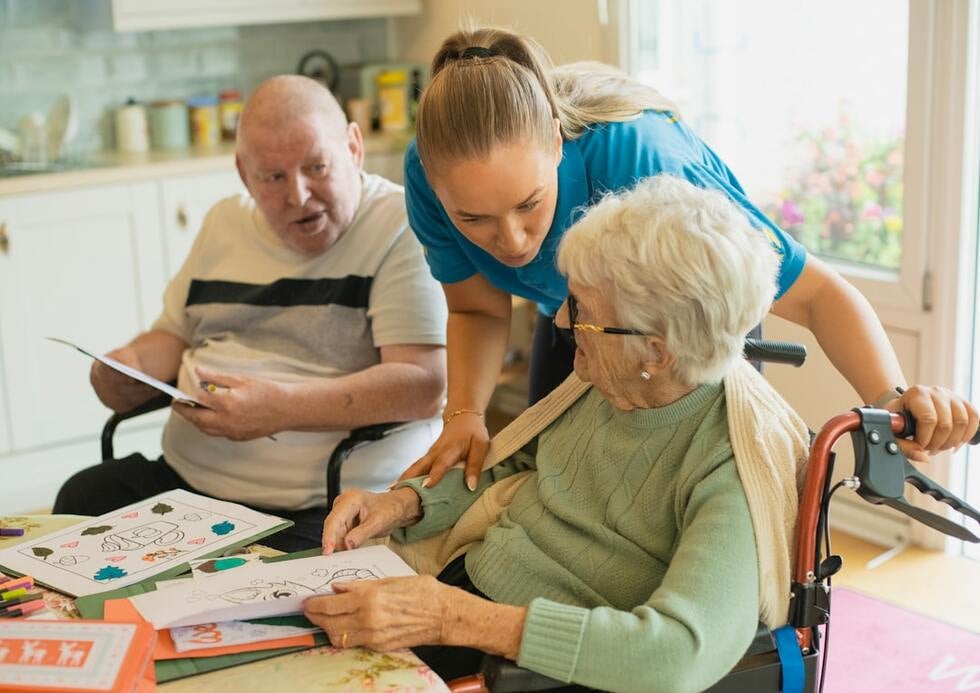
Medi-Cal home care allows California seniors and individuals with disabilities to receive care in their own homes, avoiding the need for a nursing facility. If you or a loved one needs help with daily activities, understanding these programs is the first step toward getting the right support.
Key Home Care Options:
- In-Home Supportive Services (IHSS): The primary program for non-medical care like personal hygiene, meal prep, and housekeeping.
- HCBS Waivers: Specialized programs for those who need a nursing home level of care but wish to remain at home.
- Coordinated Care Programs: Plans that integrate medical and social services for eligible members.
General Eligibility:
- Age 65+ or disabled
- California resident
- Medi-Cal eligible (or willing to pay a share of cost)
- Living at home
- Assessed as needing assistance
The process of securing these benefits can be complex, especially when dealing with a health crisis. I'm Marty Burbank, founder of OC Elder Law. With over three decades of experience in elder law and Medi-Cal planning, I've helped countless families steer these systems to get the care they need while protecting their assets. This guide will walk you through California's Medi-Cal home care programs, from applying to understanding your options if you're denied.
The Cornerstone of Medi-Cal Home Care: In-Home Supportive Services (IHSS)
At the heart of Medi-Cal home care in California lies the In-Home Supportive Services (IHSS) program. As the state's largest home care program, IHSS provides essential non-medical care to eligible aged, blind, and disabled individuals, allowing them to remain safely in their own homes instead of moving to a care facility.
A key feature of IHSS is its consumer-directed model. This empowers recipients to hire, train, and supervise their own caregivers, who can even be family members. This flexibility ensures care is personalized and delivered by a trusted individual. While IHSS is a statewide Medi-Cal benefit, it's administered by each county, so some rules and provider wages can vary. Importantly, it's an entitlement program, meaning if you qualify, you receive the services.
To learn more about who qualifies for Medi-Cal generally, you can explore our detailed guide on Medi-Cal Eligibility Explained: Find Out If You Qualify.
Eligibility for Medi-Cal Home Care through IHSS
To qualify for IHSS, you must meet the following criteria:
- Be a California resident.
- Be aged 65 or older, blind, or disabled.
- Live in your own home (not a hospital or nursing facility).
- Be eligible for Medi-Cal.
- Be assessed by a social worker and deemed unable to live safely at home without assistance.
Financially, as of January 1, 2024, California has eliminated the asset test for most Medi-Cal programs, making it easier to qualify. However, income limits still apply. For 2024, a single individual's countable monthly income must be under $1,732, and for a couple, under $2,351. If your income is higher, you may still qualify with a "Share of Cost," which functions like a monthly deductible. Navigating these financial rules can be complex, and professional guidance is often helpful. You can learn more about general Medi-Cal eligibility on our page about Medi-Cal eligibility determination.
What Services Are Covered by IHSS?
IHSS covers non-medical services that support daily living. A county social worker determines the specific services and hours needed for each individual.
Services include:
- Personal Care: Assistance with bathing, dressing, grooming, and other personal hygiene needs.
- Domestic Services: Housekeeping, laundry, and grocery shopping.
- Meal Services: Meal preparation and clean-up.
- Transportation: Accompaniment to medical appointments.
- Paramedical Tasks: Help with medications, injections, or wound care as directed by a doctor.
- Protective Supervision: Monitoring for individuals with cognitive impairments like dementia to prevent injury.
For a complete list, visit the California Department of Social Services website.
Can Family Members Be Paid IHSS Caregivers?
Yes. The IHSS program allows recipients to hire a family member, including a spouse or adult child, as their caregiver. This is a significant benefit, as it allows a loved one to provide care while receiving compensation for their work. The family member must simply enroll as an Independent Provider (IP) with the county, which involves a background check and paperwork. The state then pays them directly for the hours they work. This arrangement provides stability for the recipient and financial support for the caregiver. For more details, the CDSS offers a helpful video on Understanding IHSS Recipient and Provider Responsibilities.
The IHSS Application and Assessment Process
Navigating the IHSS application and assessment process can seem daunting, but it's a structured procedure to ensure you receive the right level of care. The process involves an application, a health certification, and an in-home assessment.
How to Apply for IHSS: A Step-by-Step Guide for Medi-Cal Home Care
- Contact Your County IHSS Office: The first step is to contact your local county IHSS office to start the application. You can find your local IHHS county office online.
- Submit the Application (SOC 295): You will need to complete and submit the "Application for Social Services" (Form SOC 295).
- Obtain a Health Care Certification (SOC 873): A licensed healthcare professional must complete the "Health Care Certification Form" (SOC 873) to verify your need for assistance. Your doctor cannot charge a fee for completing this form.
- Gather Supporting Documents: Be prepared with proof of residency, Medi-Cal eligibility, and any relevant medical records.
For more general information on the application process, see our guide on How to Apply for Medi-Cal.
The County Social Worker's Role and the Needs Assessment
After you apply, a county social worker will schedule an in-home visit to conduct a needs assessment. This is a crucial step where they evaluate your ability to perform daily tasks and determine the services and hours you require. The social worker uses state-mandated guidelines to calculate the hours, with a maximum of approximately 195 hours per month for most individuals and up to 283 hours per month for those who are severely impaired. Being open and honest about your needs during this assessment is vital. For more insight, watch this video on Understanding the Needs Assessment.
What Happens if Your Application is Denied or Hours are Too Low?
If your application is denied or you believe the authorized hours are insufficient, you have the right to appeal. The county will send you a "Notice of Action" (NOA) explaining their decision. You must request a fair hearing within 90 days of the NOA date. Preparing for this hearing involves gathering medical records and other evidence. The appeals process can be complex, so seeking legal assistance from an elder law attorney or a legal aid organization is highly recommended. Disability Rights California also offers a helpful IHSS guide for this process. For more legal resources, see our Senior Legal Services: A Comprehensive List.
Beyond IHSS: Other Medi-Cal Home and Community-Based Services (HCBS)
While IHSS is the largest and most widely known Medi-Cal home care program, it's not the only option. California offers a robust suite of Home and Community-Based Services (HCBS) waivers and coordinated care programs designed to keep individuals out of institutions and in their homes. These programs often target specific populations or offer different types of services, and understanding them can be crucial for comprehensive Long-Term Care Planning.
Here's a simplified comparison of IHSS and some key HCBS options:
| Program | Eligibility Focus | Key Services Provided - |
|---|---|---|
|
IHSS |
Aged, blind, or disabled individuals needing assistance with daily living activities. |
Personal care, meal prep, housekeeping, protective supervision, accompaniment to medical appointments. |
|
Assisted Living Waiver (ALW) |
Individuals at risk of nursing home placement. |
Case management, home health aide, personal care, respite care, home modifications, transportation. |
|
Multipurpose Senior Services Program (MSSP) |
Seniors (65+) at risk of nursing home placement, living in specific counties. |
Comprehensive care management, social services, adult day care, transportation, meal services. |
|
Home and Community-Based Alternatives (HCBA) Waiver |
Individuals with complex medical needs who would otherwise require institutional care. |
Skilled nursing, case management, home health aide, personal care, respite care, home modifications, transportation. |
|
Home and Community-Based Services for the Developmentally Disabled (HCBS-DD) Waiver |
Individuals with developmental disabilities. |
Services to help individuals live in the community, including behavioral intervention, respite, and specialized therapies. |
|
AIDS Waiver |
Individuals with HIV/AIDS. |
Skilled nursing, case management, home health aide, nutritional counseling, psychosocial support. |
Understanding Medi-Cal HCBS Waivers
Unlike IHSS, which is an entitlement, HCBS Waivers are not guaranteed to everyone who is eligible. These programs have enrollment caps and often have waiting lists. They are designed for individuals who meet a "nursing facility level of care," meaning they would otherwise require institutionalization. Key waivers include the Assisted Living Waiver (ALW), the Home and Community-Based Alternatives (HCBA) Waiver, and the Multipurpose Senior Services Program (MSSP). Each targets specific needs, from providing services in assisted living facilities to offering intensive in-home medical care. You can find more information about Medicaid California State waivers on the DHCS website.
Coordinated Care Options for Medi-Cal Home Care
California also offers coordinated care programs that integrate medical, behavioral, and long-term care services into a single plan. Programs like the Program of All-Inclusive Care for the Elderly (PACE) and Cal MediConnect (for those with both Medicare and Medi-Cal) provide a team-based approach to manage all of a person's health needs. These can be excellent options for individuals with complex health issues, as they often include services like adult day health care, transportation, and comprehensive case management, which can supplement or replace traditional IHSS services.
Frequently Asked Questions about Medi-Cal Home Care
What are the different sub-programs within IHSS?
IHSS is divided into several programs based on funding and eligibility. The main ones are:
- Community First Choice Option (CFCO): For those who qualify for Medi-Cal and need a nursing home level of care.
- Personal Care Services Program (PCS): For those who qualify for Medi-Cal based on age, blindness, or disability but don't meet the nursing home level of care criteria.
- IHSS Independence Plus Option (IPO): Allows parents or spouses to be paid as caregivers for their disabled child or spouse.
- IHSS Residual (IHSS-R): A state-funded program for individuals who don't qualify for the other federally-matched programs.
How are IHSS hours calculated?
A county social worker conducts an in-home assessment to evaluate your ability to perform daily tasks. Using state-mandated Hourly Task Guidelines (HTGs), they determine the number of hours needed for services like personal care, meal preparation, and housekeeping. The maximum hours are typically 195 per month, but can be up to 283 per month for severely impaired individuals, especially those requiring protective supervision due to cognitive impairments like dementia.
What if my income is too high for Medi-Cal?
If your income is above the limit for free Medi-Cal, you may still qualify for IHSS through a "Share of Cost" program. This works like a monthly deductible; you pay a portion of your care costs, and Medi-Cal covers the rest. Navigating the Share of Cost rules can be complex, and strategies like Medicaid Spend Down Planning can help you qualify while protecting your assets.
Conclusion: Securing Your Future with the Right Home Care Plan
Navigating California's Medi-Cal home care options, from IHSS to specialized waivers, can be challenging. However, these programs are invaluable for helping seniors and individuals with disabilities live independently at home. Understanding your eligibility, the application process, and your right to appeal are key steps in securing the care you need.
While the system can be complex, you don't have to go through it alone. At OC Elder Law, we specialize in helping families in Orange County, Fullerton, and Bellevue, WA, access these vital programs. Our team can help you create a comprehensive long-term care strategy and steer the intricacies of Medi-Cal eligibility.
For expert guidance, explore our Medi-Cal Planning services. Let us help you secure your future and achieve peace of mind.


Comments
There are no comments for this post. Be the first and Add your Comment below.
Leave a Comment